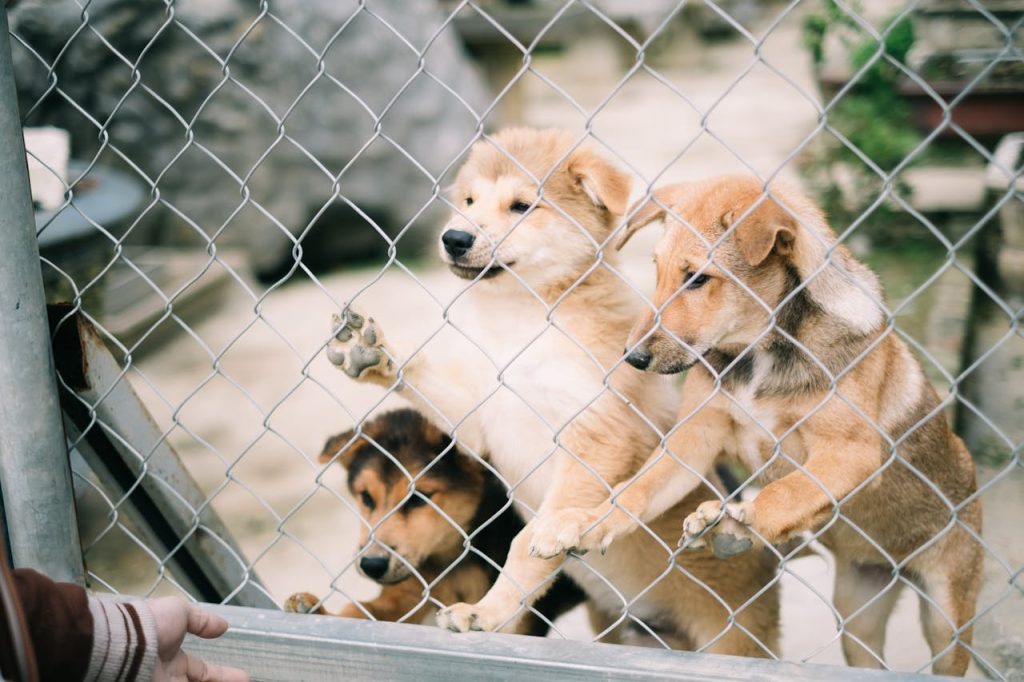
Best Fencing for Dogs
When it comes to securing your yard for your dog, you need to consider several factors for the Best Fencing for Dogs.
Your dog’s size and behavior play a crucial role in determining the right fence.
Are you dealing with a small breed that might need a four-foot barrier, or a large, energetic dog that could easily clear six feet?
The choice of materials and design is just as important.
Let’s explore what suits your furry friend best.
Assessing Your Dog’s Size and Behavior for Fencing Needs
When it comes to choosing the right fencing for your dog, understanding their size and behavior is crucial.
If you have a small breed, a lower fence might suffice, but larger, more energetic dogs often require a taller, sturdier barrier.
Think about your dog’s escape tendencies, too.
If they’re prone to digging, you may need a fence that extends underground.
Behavior plays a huge role as well.
If your dog’s a jumper, you’ll want a fence that’s high enough to prevent them from leaping over.
Consider their social habits; some dogs may bark or dig at neighbors or passersby.
By assessing these factors, you can ensure your fencing choice effectively keeps your furry friend safe and secure.
Comparing Fencing Materials: Pros and Cons for Dog Owners
Choosing the right fencing material can make a significant difference in your dog’s safety and happiness.
Wood fences offer durability and aesthetics but may require maintenance to prevent rot.
Chain-link fences are affordable and easy to install, but they mightn’t provide enough privacy or security for determined escape artists.
Vinyl fencing is low-maintenance and attractive, yet it can be more expensive upfront.
Electric fences allow for flexibility in layout but require consistent training to ensure your dog understands the boundaries.
Finally, wrought iron fences are sturdy and visually appealing, though they can be costly and may not deter all dogs.
Weigh these pros and cons carefully to find the best fit for your furry friend’s needs.
Choosing the Right Height and Design for Your Dog’s Safety
Determining the right height and design for your fence is key to keeping your dog safe and secure.
Start by considering your dog’s breed and size.
Smaller breeds might need a fence height of at least four feet, while larger breeds may require a six-foot barrier to prevent jumping.
Also, think about the fence’s design.
A solid fence can block distractions and deter barking, while chain-link may allow your dog to see outside, which can be tempting.
Ensure the fence is buried a few inches underground to prevent digging.
Additionally, avoid horizontal bars that dogs can use to climb.
Traditional vs. Invisible Fencing: What You Need to Know
How do you decide between traditional and invisible fencing for your dog?
Both options have their pros and cons, so it’s important to weigh what matters most to you.
Traditional fencing provides a physical barrier, keeping your dog securely contained while also deterring other animals.
It can add to your home’s curb appeal but may require upkeep and can be costly.
On the other hand, invisible fencing relies on a collar that emits a warning signal when your dog approaches the boundary.
It’s generally more affordable and easier to install, but it mightn’t prevent other animals from entering your yard.
Consider your dog’s behavior, your property layout, and your budget to make the best choice for your pet’s safety.
How to Budget for Your Dog’s Safety
When budgeting for your dog’s safety, it’s essential to consider both immediate and long-term expenses.
Start by assessing your fencing options.
Traditional fences can be costly upfront, while invisible fences may have lower initial costs but require ongoing maintenance.
Factor in installation fees, which can vary significantly.
Don’t forget about additional safety measures, like gates and locks, as well as training for your dog.
You’ll also want to budget for vet visits in case of potential injuries or health issues related to escaping.
Finally, set aside some funds for unexpected expenses.
In conclusion, choosing the right fencing for your dog is crucial for their safety and happiness.
By assessing your dog’s size and behavior, comparing materials, and selecting the appropriate height and design, you can create a secure environment.
Whether you opt for traditional or invisible fencing, make sure it fits your budget and your dog’s needs for the Best Fencing for Dogs.